The Beginning
Drumchapel and Glasgow
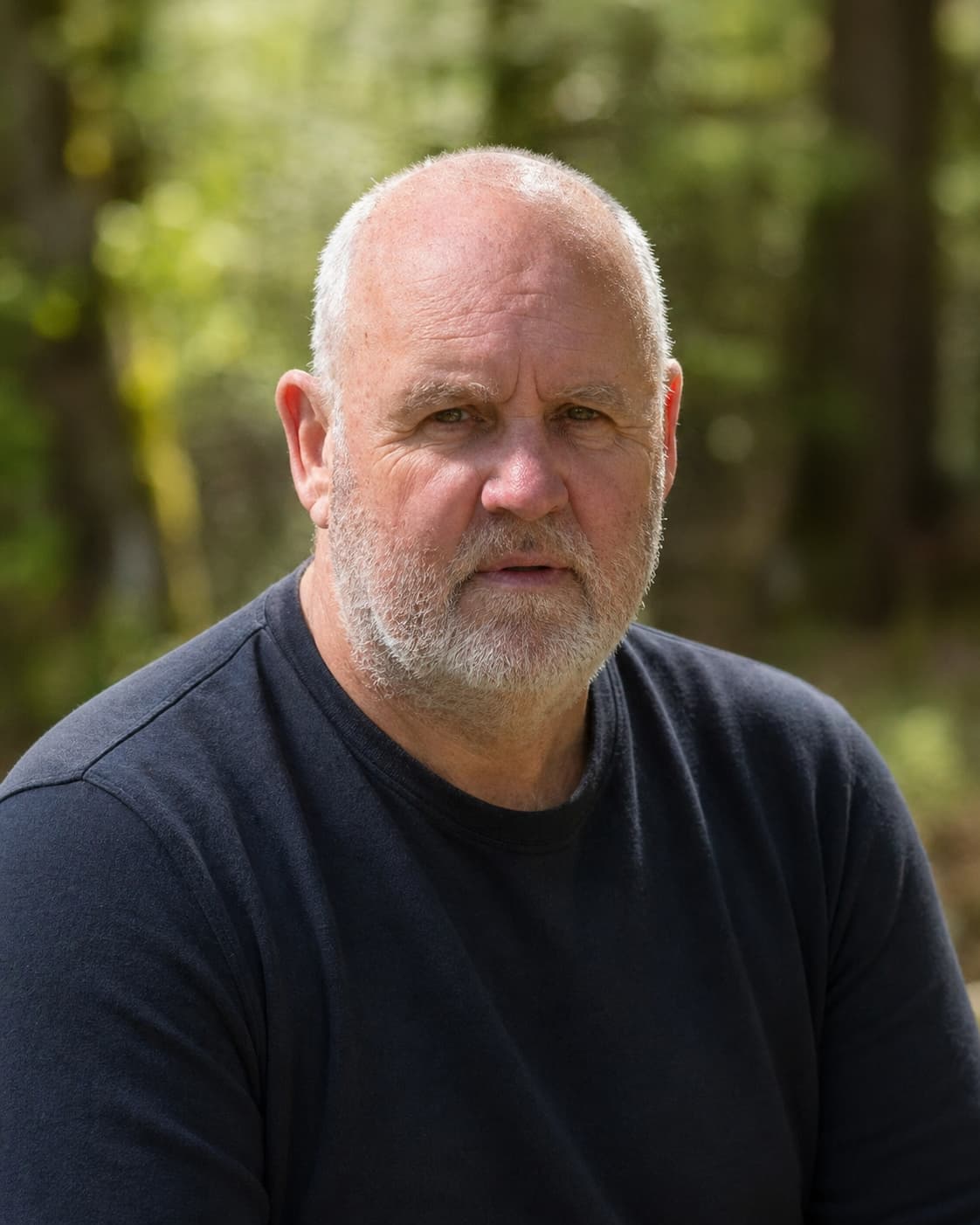
Billy MacLeod MBE grew up first in the tenements of Partick and then on the council estate of Drumchapel, Glasgow, the son of a Protestant father and a Catholic mother in a city often divided by religion, class and identity. From an early age, he was taught to see people as individuals rather than labels. That lesson stayed with him and shaped much of what followed.
THE ROYAL ENGINEERS
The Royal Engineers
Billy joined the Junior Leaders Regiment, Royal Engineers, at Dover aged 16 years and 5 days, the youngest Junior Sapper at the time. His first posting took him to Hameln, Germany, where he trained as an Amphibious Engineer and shortly after his 18th birthday, he served a tour of Northern Ireland.
A posting to Chatham, Kent, followed, where he trained as a bricklayer and concretor. It was here that he suffered the first of the knee injuries that would shadow the rest of his career. Several more postings and tours around the world came and went, along with further operations, until injury finally brought his army service to an end, leaving him wholly unprepared for what came next.
Through it all, it was the people who shaped him: friends from every corner of the country, many of whom he still counts on today and a good few of whom have found their way onto the pages of A Sapper’s Story.
After the army
The years between
Billy left the Army with a serious knee injury and no clear route into civilian life. The years that followed were difficult. He was angry, unsettled and unable to explain who he had been in a world that didn’t seem to understand where he had come from. In 1993, he founded a taxi company in Andover and ran it for fifteen years.
In 2005, a car accident brought buried trauma to the surface. He saw a psychologist once, said what he thought she needed to hear and left with the question he couldn’t answer: what do I do now?
Billy has never received a formal PTSD diagnosis. After nearly two decades working with more than 2,000 veterans who carry that label, he believes he experienced it and found his own way through it, through purpose, activity and helping others. He neither overclaims nor dismisses that experience. That honesty is one reason veterans trust him.